Scipio Africanus
The Conqueror of Hannibal
The brilliant Roman general whose tactical genius turned the tide of the Second Punic War and secured Rome's dominance.
Publius Cornelius Scipio Africanus (236–183 BCE) was one of the greatest military commanders of the Roman Republic. He rose to prominence after the devastating Battle of Cannae, when he took command of Rome's shattered forces. His audacity, combined with an ability to learn from the enemy, led him to defeat Hannibal Barca—the man who had brought Rome to its knees—at the Battle of Zama, earning him the celebrated surname Africanus.
The Rise of Rome's Savior
- Birth
Born into the powerful Cornelii Scipiones family, a prominent Roman patrician house.
- After Cannae
Following the catastrophic defeat at Cannae, Scipio was one of the few surviving officers who managed to rally the demoralized remnants of the Roman army.
- Capture of Carthago Nova
Scipio captures the main Carthaginian base in Spain in a swift, unexpected siege, securing immense resources and prestige.
- Invasion of Africa
Elected Consul, Scipio successfully argues against the Senate for a direct invasion of Carthage's North African homeland, forcing Hannibal to leave Italy.
- Battle of Zama
Scipio defeats Hannibal in a head-to-head battle outside Carthage, ending the Second Punic War.
- Death in Voluntary Exile
Died in Liternum, having retired from Rome after facing political attacks and charges of corruption by his rivals.
Scipio's Strategic and Tactical Genius
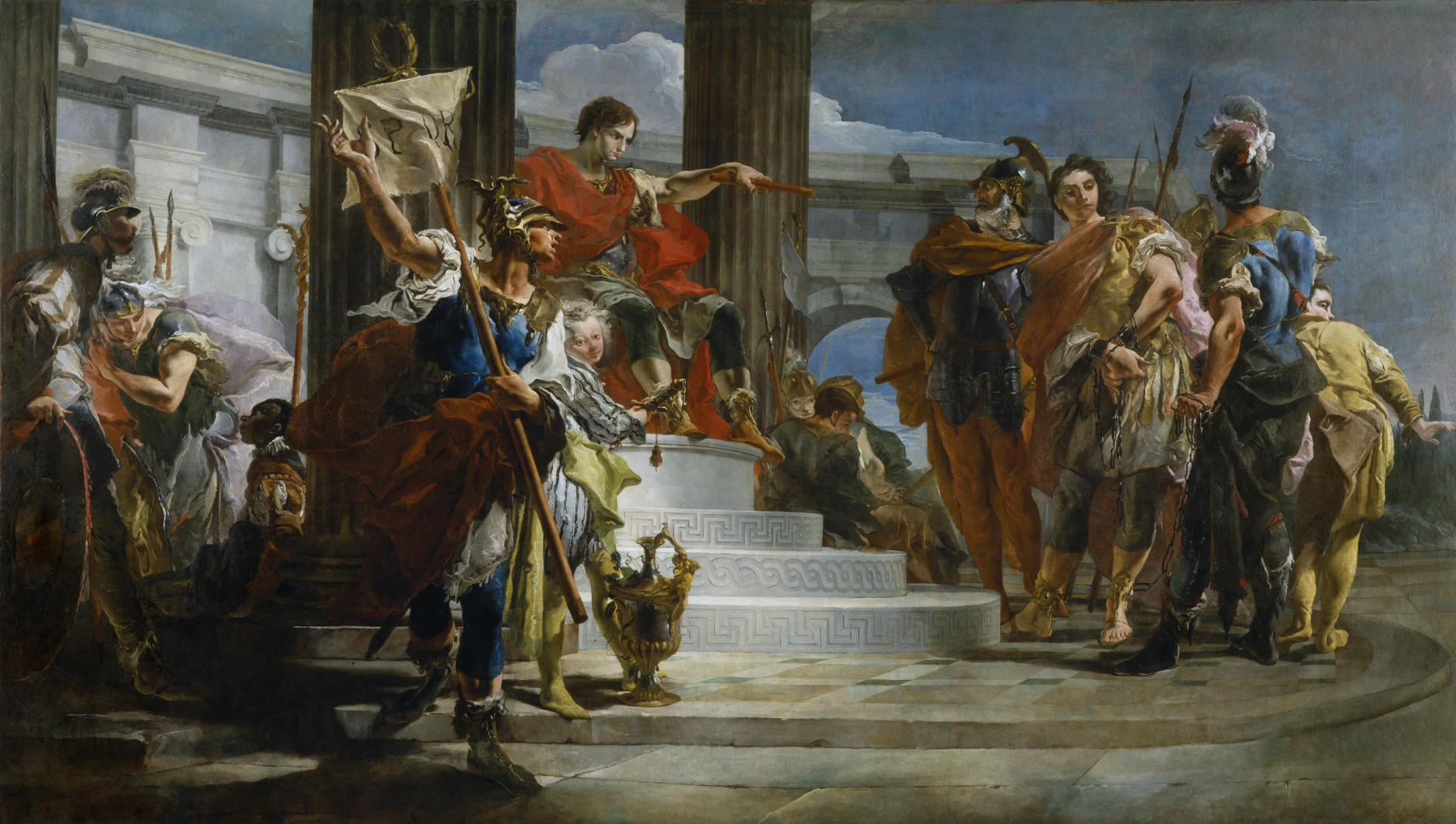
Scipio skillfully employed acts of generosity and clemency (like returning a captured noblewoman to her fiancé) to win over local populations and allies, reducing resistance.
The Battle of Zama (202 BCE), where Scipio decisively defeated Hannibal.
The Battle of Zama marked the end of the Second Punic War. Scipio faced Hannibal directly, but his strategy was flawless. By positioning his legions to allow Hannibal's elephants to pass harmlessly through and employing his numerically superior cavalry to brilliant effect, Scipio achieved a complete victory. This battle shattered Carthage's military power and established Rome as the undisputed ruler of the Western Mediterranean.
Later Life and Political Turmoil
Despite saving Rome, Scipio’s immense popularity and perceived autocratic style made him enemies, particularly Cato the Elder. He and his brother were targeted by political prosecutions regarding spoils from the war against Antiochus. Disgusted with the political squabbling, Scipio retired to his villa at Liternum, choosing to live out his days in voluntary exile. His final command was to instruct that his body should not be buried in Rome, a final act of contempt for his ungrateful political foes.
Interesting Facts about Africanus
- Scipio was a great admirer of Greek culture and philosophy, adopting a Greek-influenced lifestyle.
- He was elected Consul at the unusually young age of 31.
- He is one of only two Romans to be universally called 'the Great' (Magnus) in ancient sources, alongside Pompey.
- He famously defeated his own father-in-law, Antiochus III, at the Battle of Magnesia in 190 BCE.
- He was known for his personal charisma, which inspired intense loyalty among both his soldiers and foreign allies.